
WI+H Convenes Leaders to Advance Business as Justice in Minnesota.
May 29–30 | ICCM Life Center, Minnesota
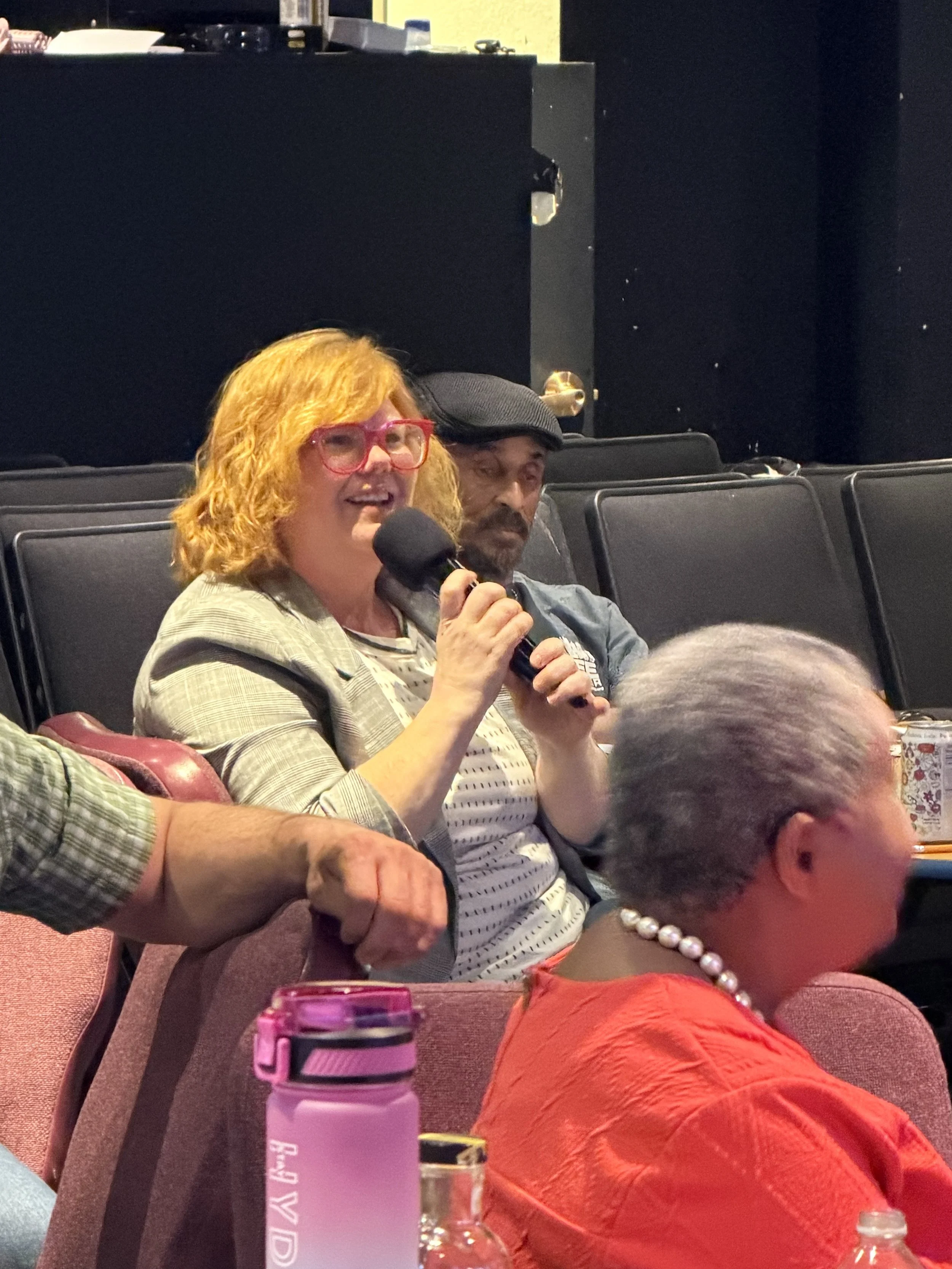
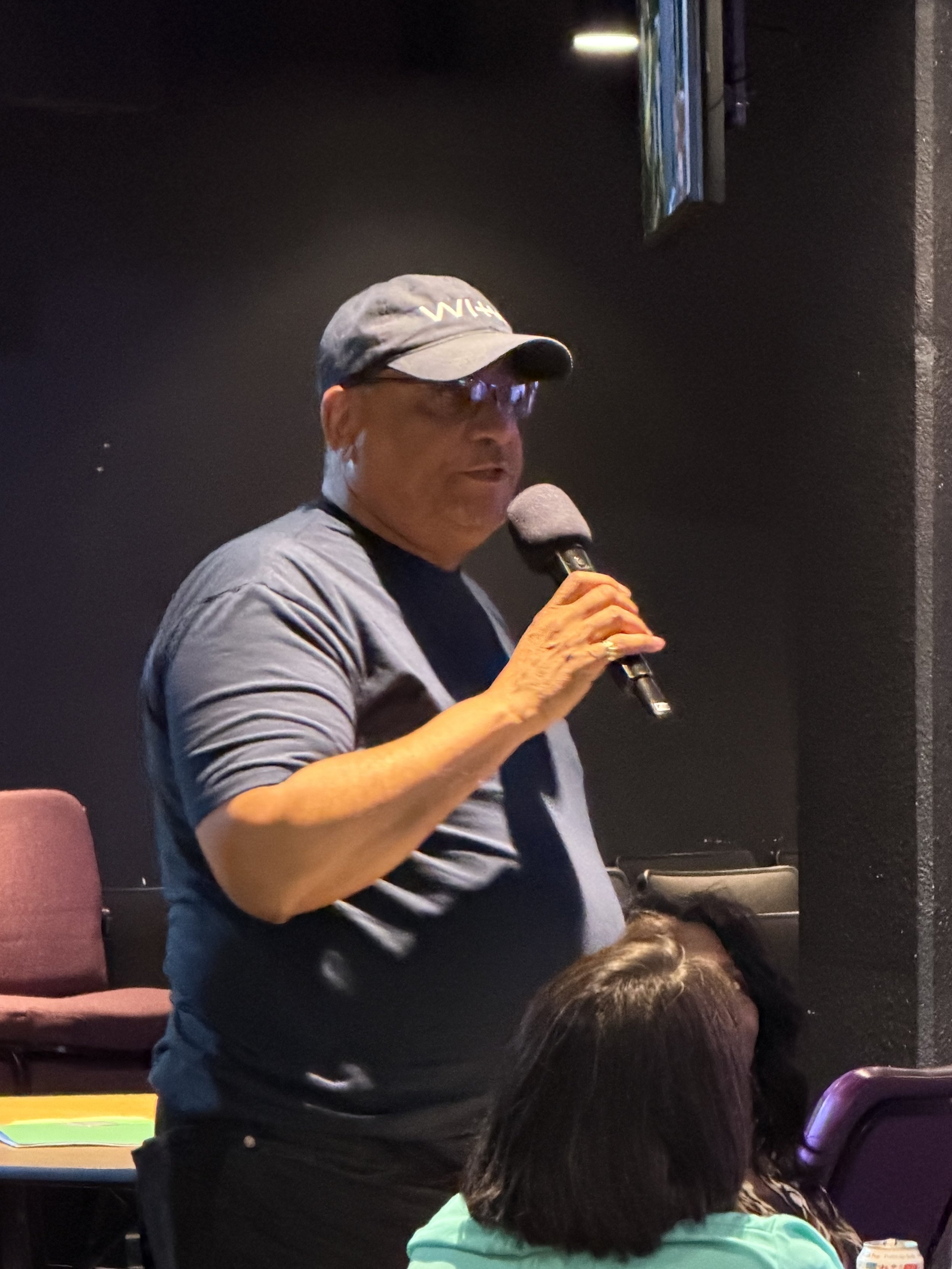
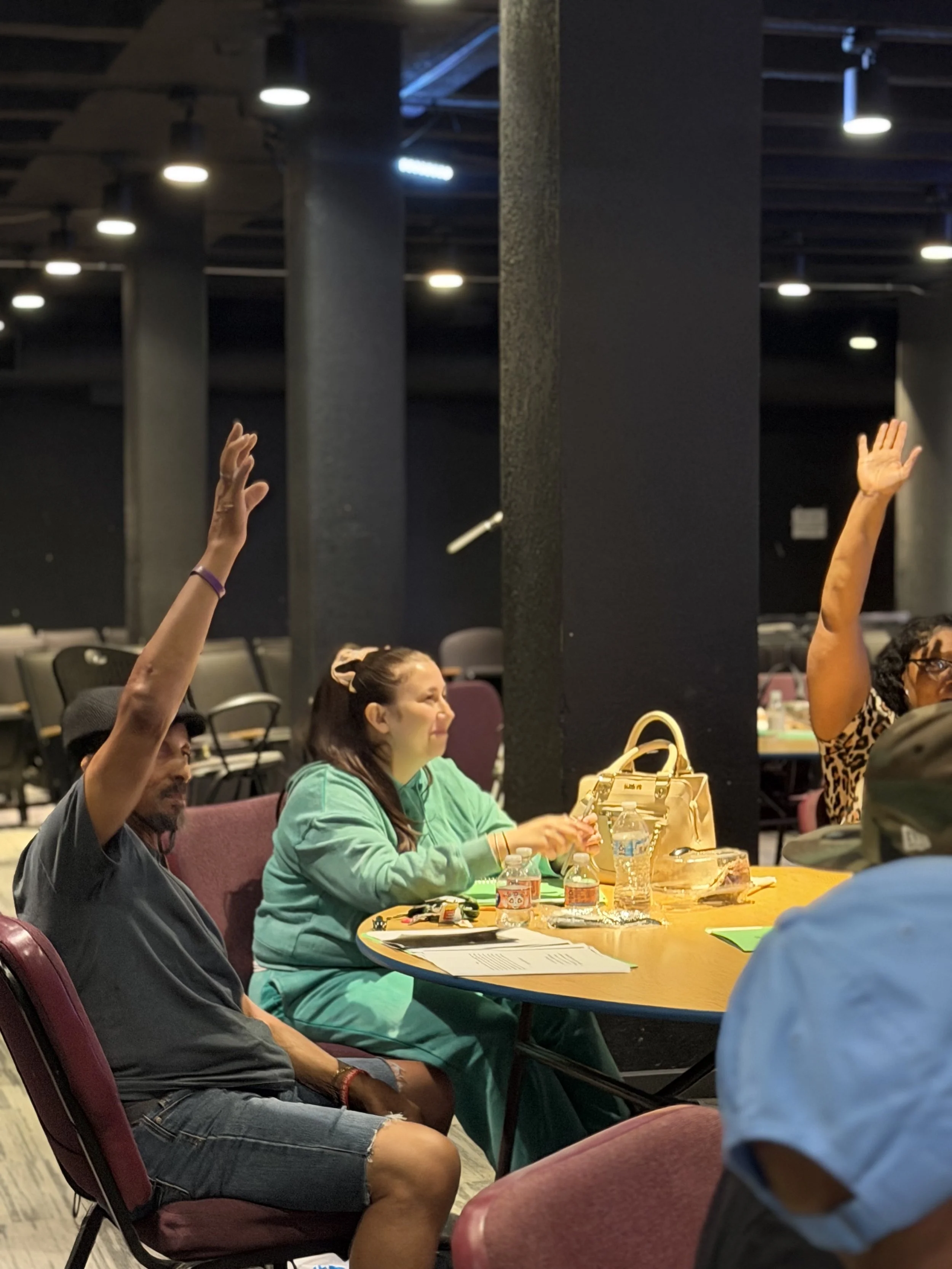
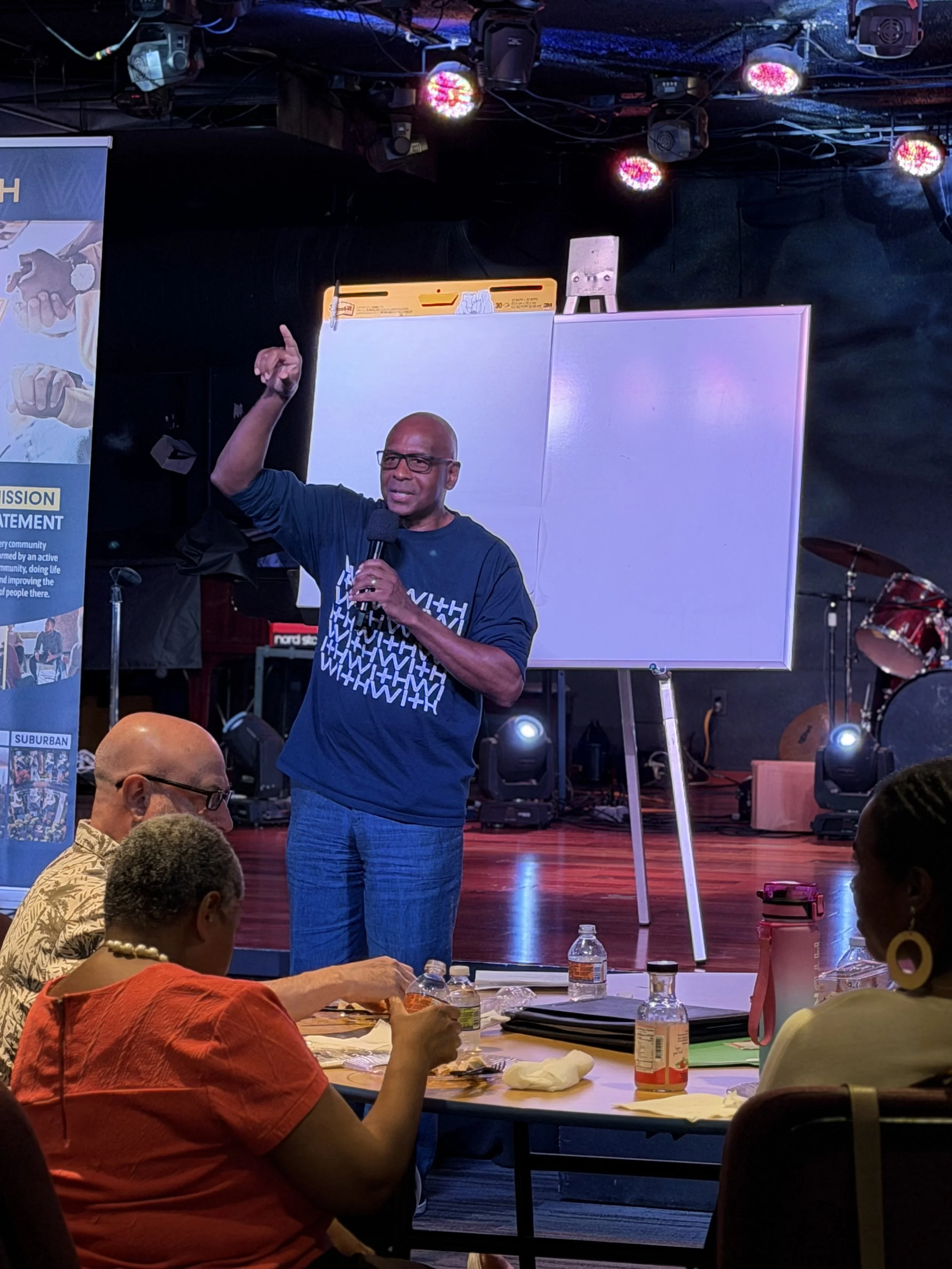
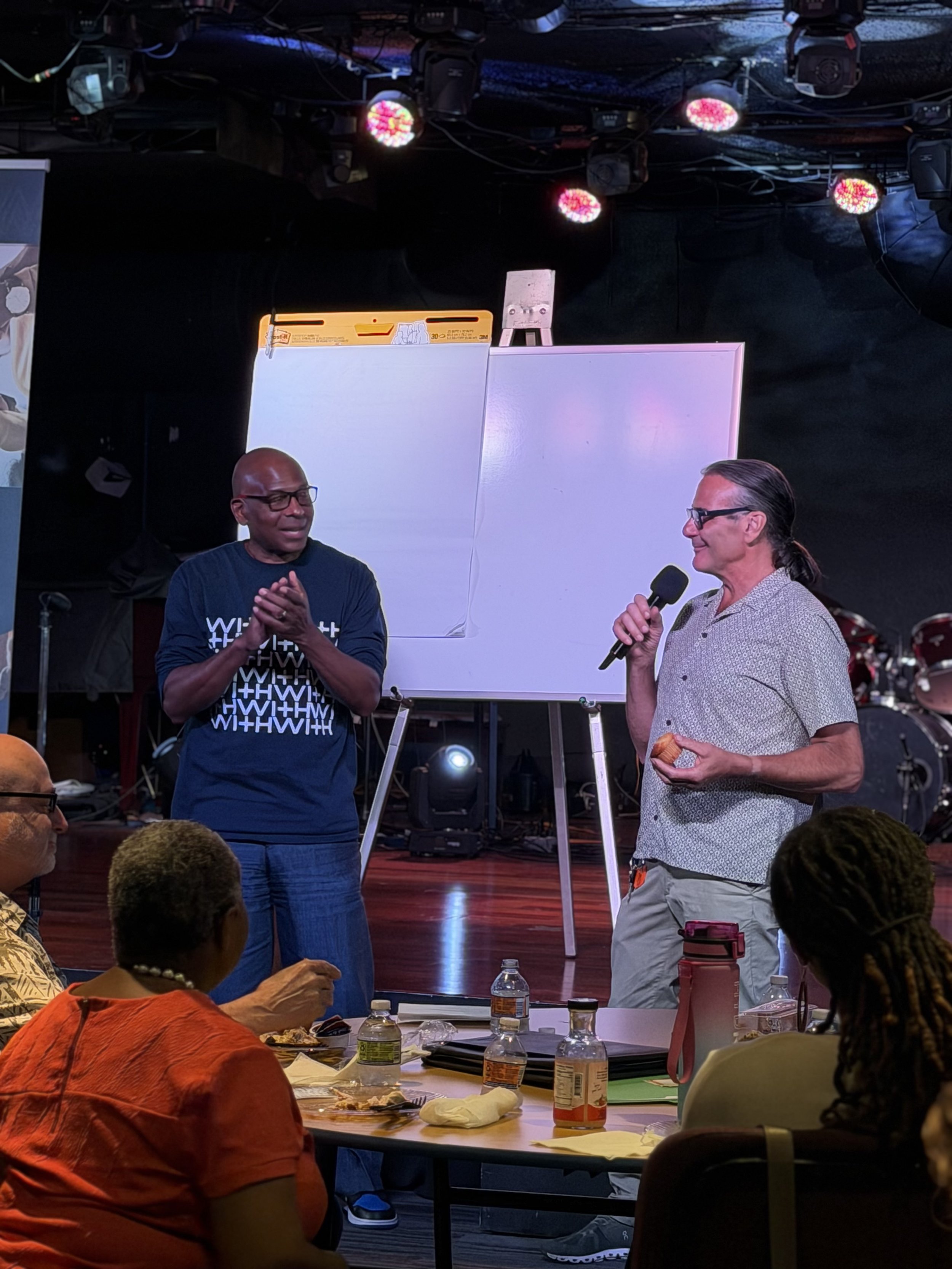
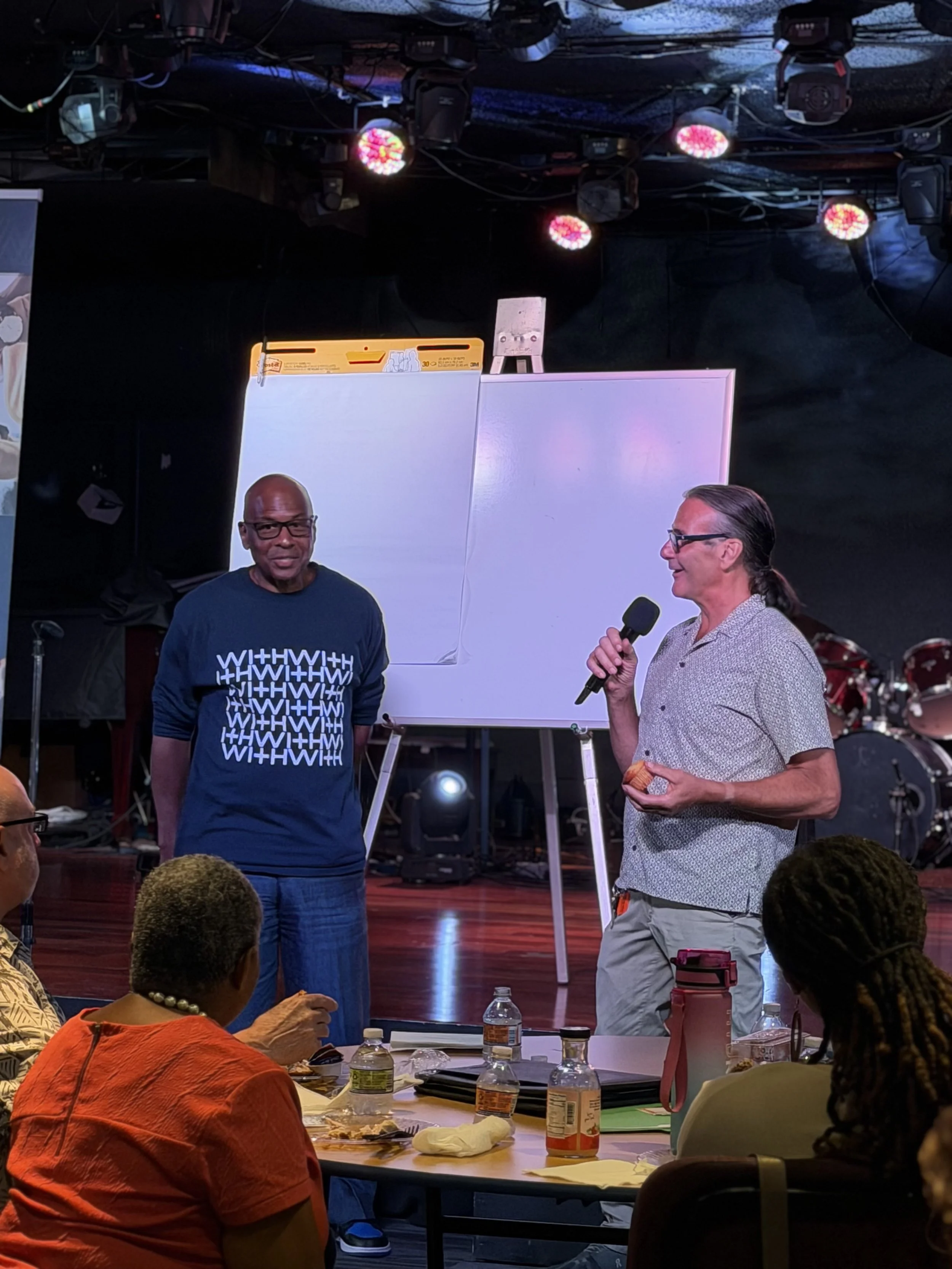
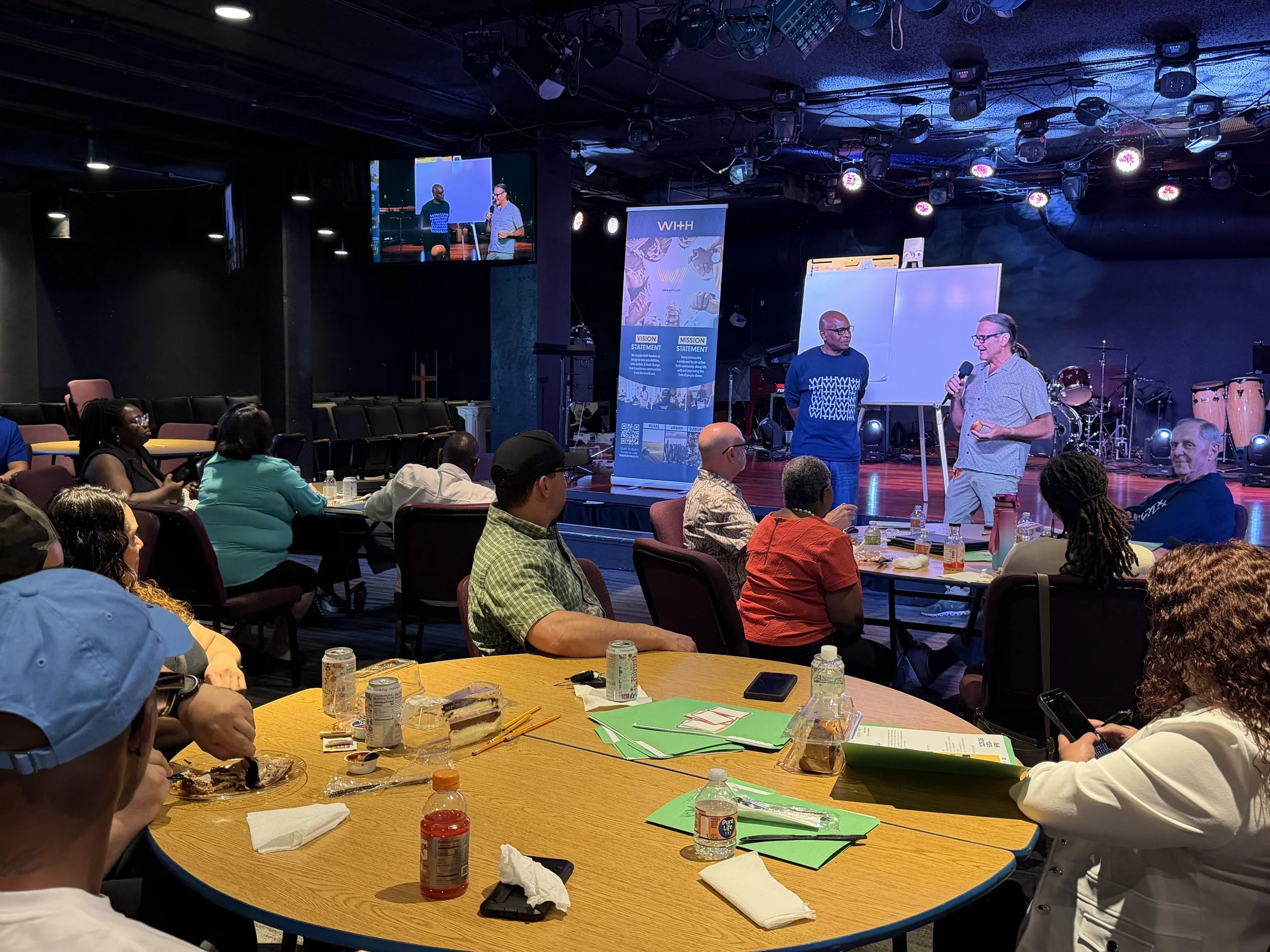
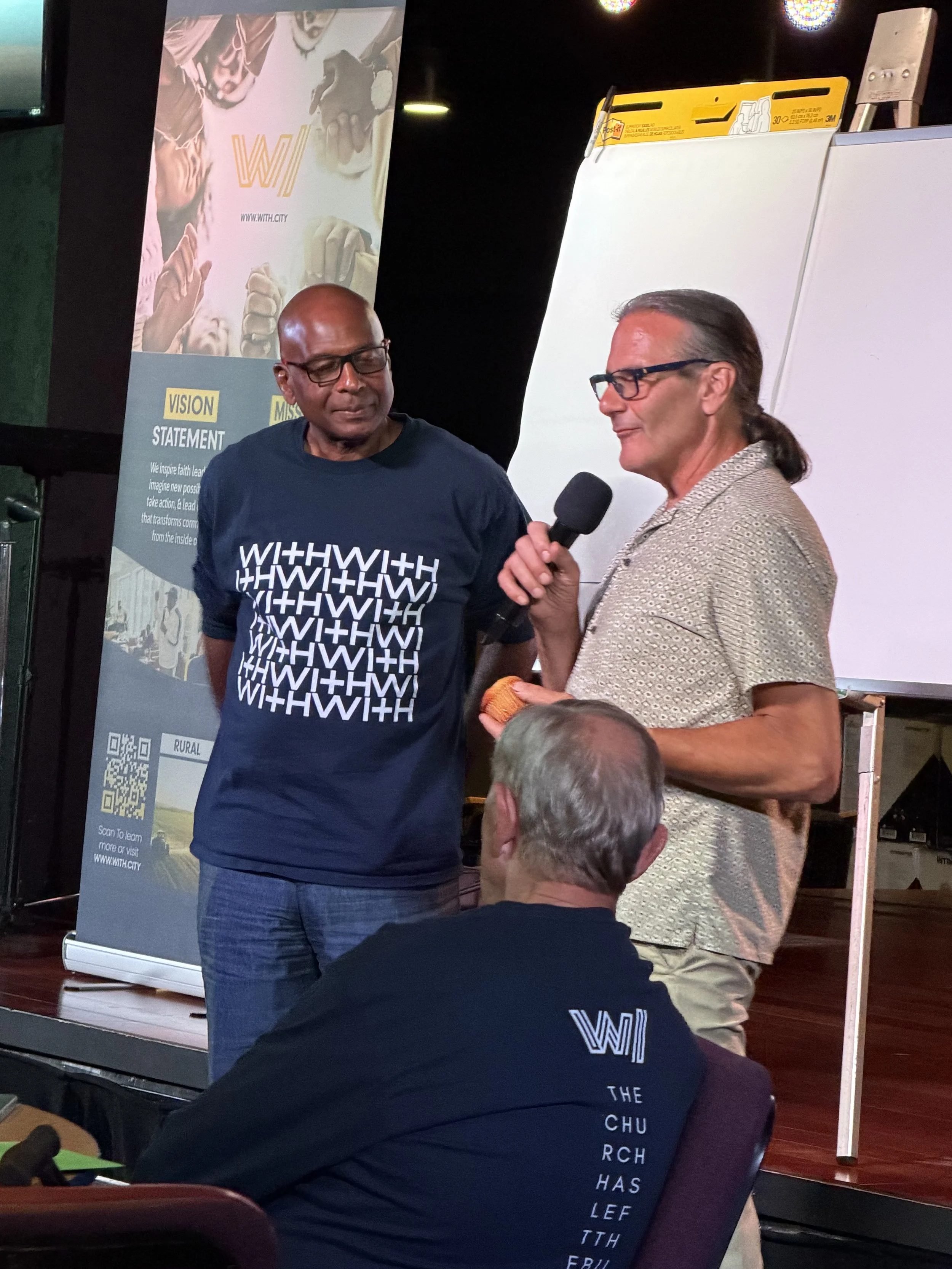
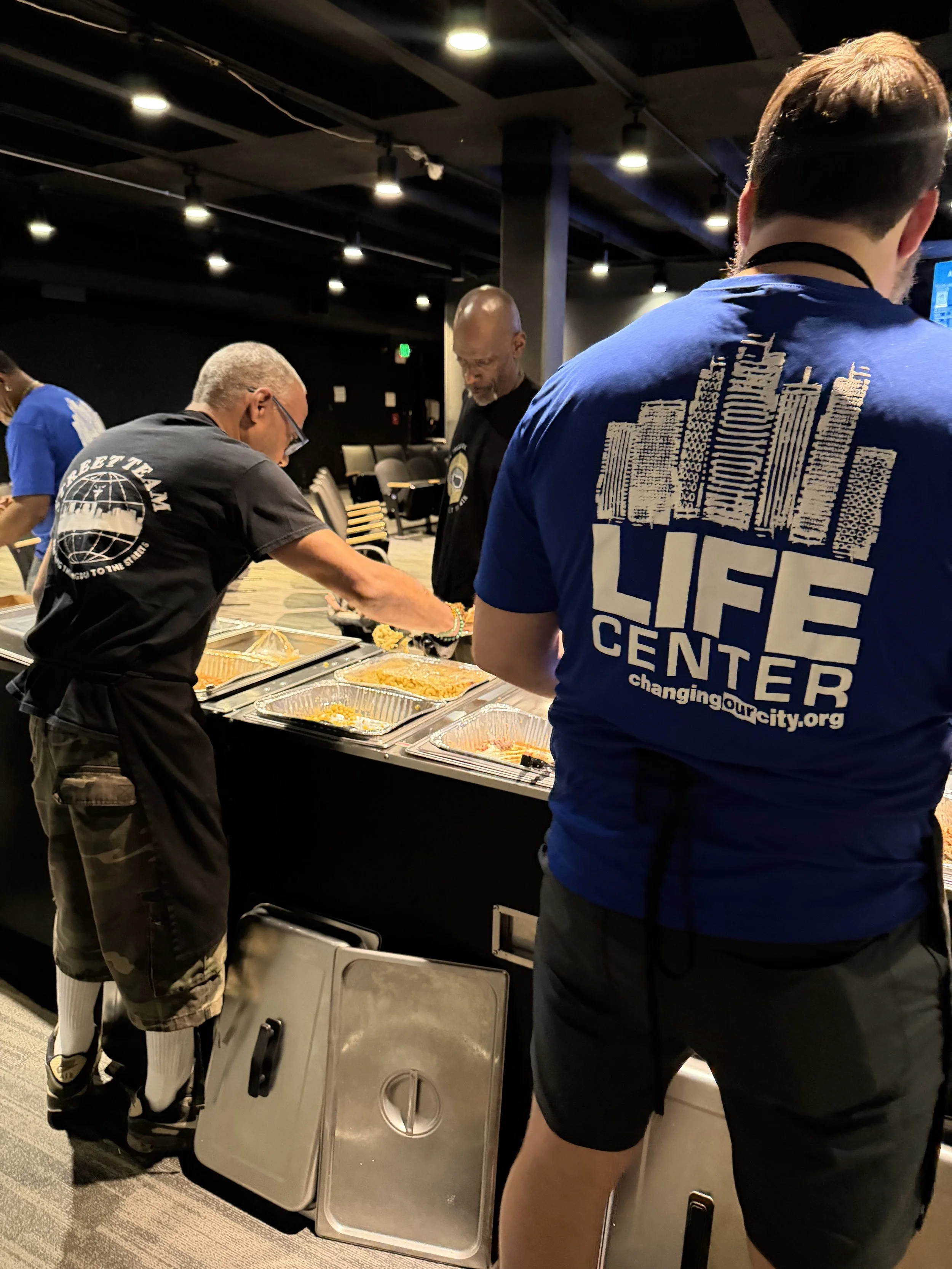
On May 29–30, faith-driven leaders, pastors, entrepreneurs, and community builders gathered at the ICCM Life Center for the WI+H Studio Minnesota for an immersive two-day think tank experience designed to equip participants to pursue community restoration through business and faith.
Hosted as part of the WI+H Studio series, the Minnesota convening centered on the framework of Business as Justice—the conviction that enterprise can be a redemptive force to advance justice, dignity, and human flourishing beyond the walls of the church. Attendees engaged in teaching, storytelling, and collaborative exercises aimed at launching and strengthening ventures that serve people, create economic stability, and transform neighborhood systems from the ground up.
Local Vision for Shalom in the City
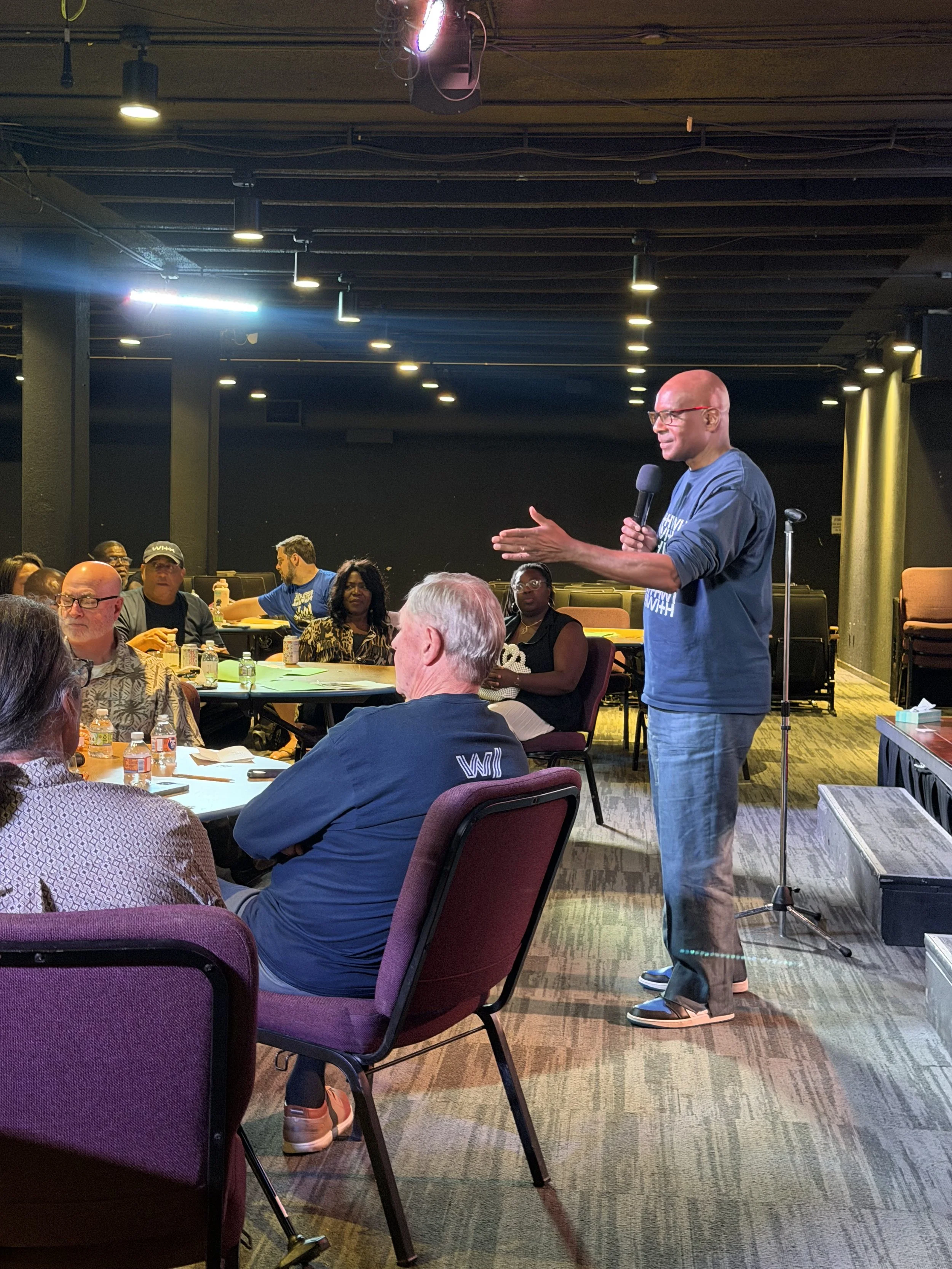
The Studio opened with a devotional from ICCM Founder Chris DeLaurentis, who anchored the gathering in Jeremiah 29:4–7 and the biblical call to seek shalom—not merely the absence of conflict, but holistic flourishing, restoration, and life as God intends. His message invited participants to see their cities, neighborhoods, and even personal challenges as places where God is present and at work.
Through themes of faithful presence, practical obedience, and consistent prayer, attendees were challenged to consider how believers are called to bring peace into homes, communities, and systems marked by injustice and brokenness. The reflection underscored a central takeaway of the Studio: our own flourishing is tied to the flourishing of others, and the pursuit of true shalom is ultimately fulfilled and carried through Jesus Christ, the Prince of Peace.
Community-Rooted Entrepreneurship in Action
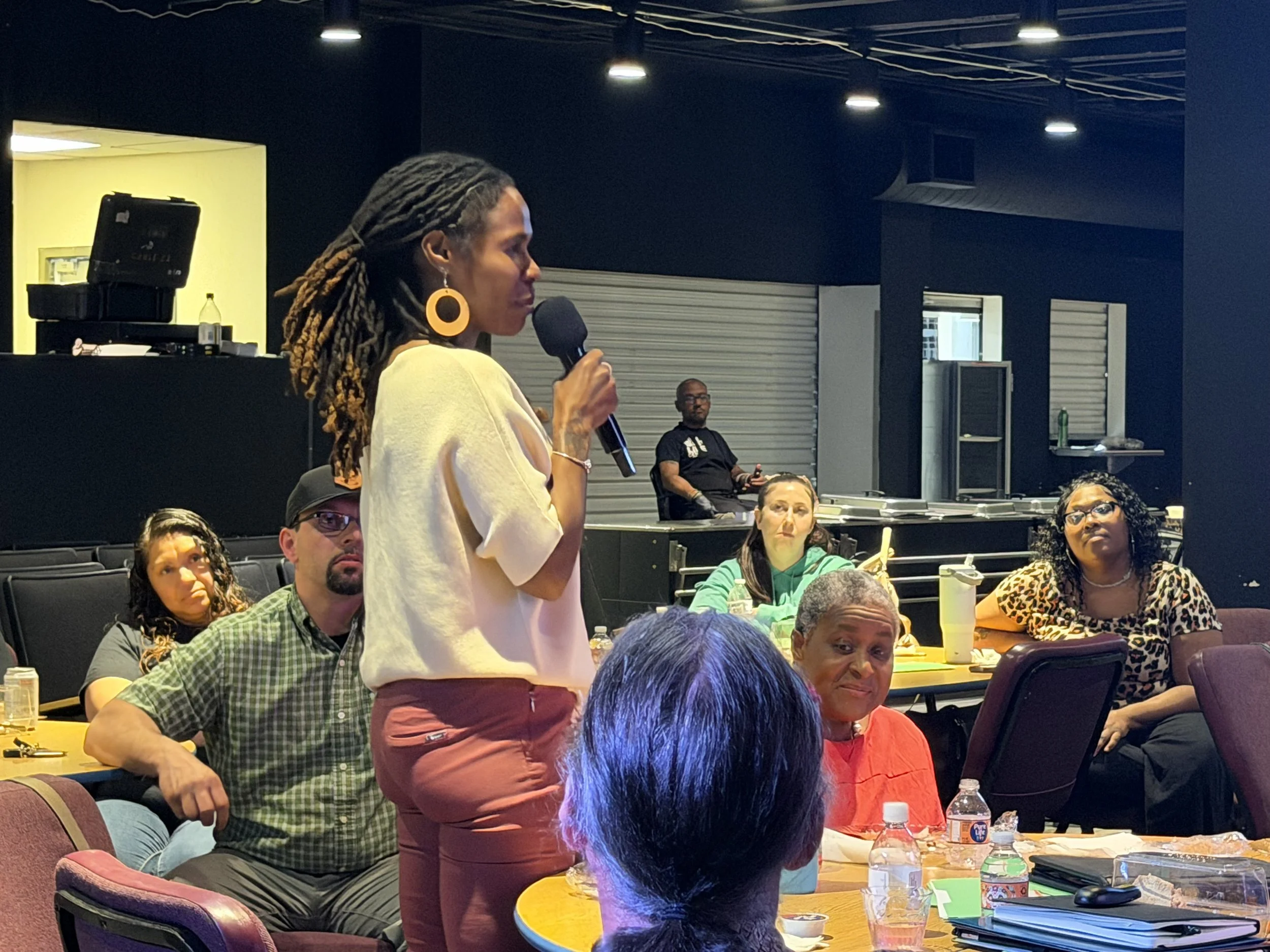
A highlight of the gathering was a keynote conversation with Anissa Keyes, who shared how she lives out Business as Justice through community-rooted entrepreneurship and investment in North Minneapolis. Drawing from her journey as the founder of Aruba, Keyes detailed innovative models of mental health care that integrate therapy, healing practices, and accessibility for populations often excluded from traditional systems.
Keyes also explored real estate as a tool for land reclamation and righteous use, emphasizing ownership as a means to restore dignity, safety, and opportunity in historically disinvested neighborhoods. From creating healing-centered spaces to cultivating a Black business ecosystem at the North Side Epicenter, she offered a candid look at the endurance, faith, and perseverance required to remain deeply planted in the community. Her story reframed business not as an end in itself, but as a powerful vehicle for justice, healing, and long-term transformation.
Dreaming and Designing for the Neighborhood
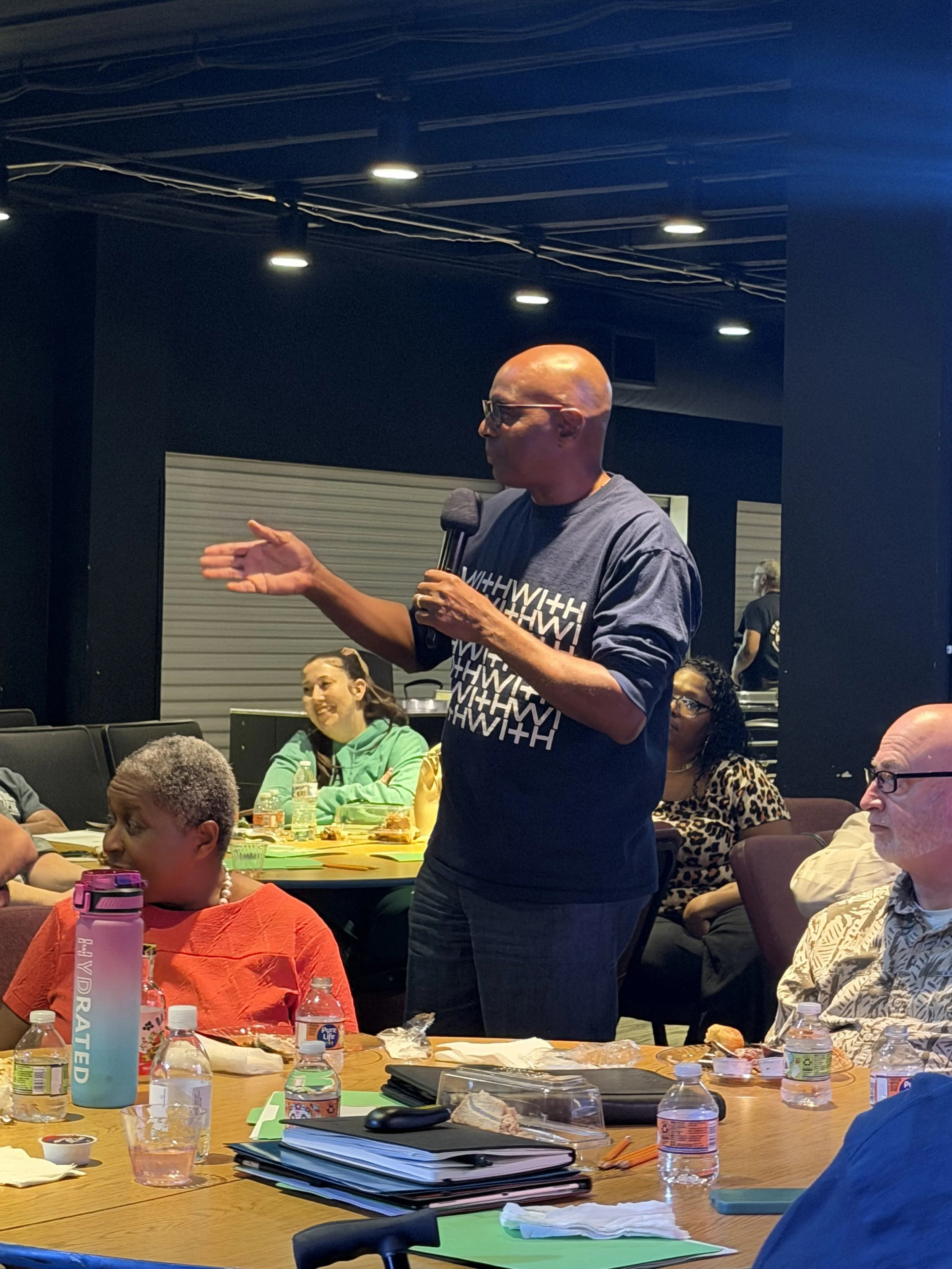
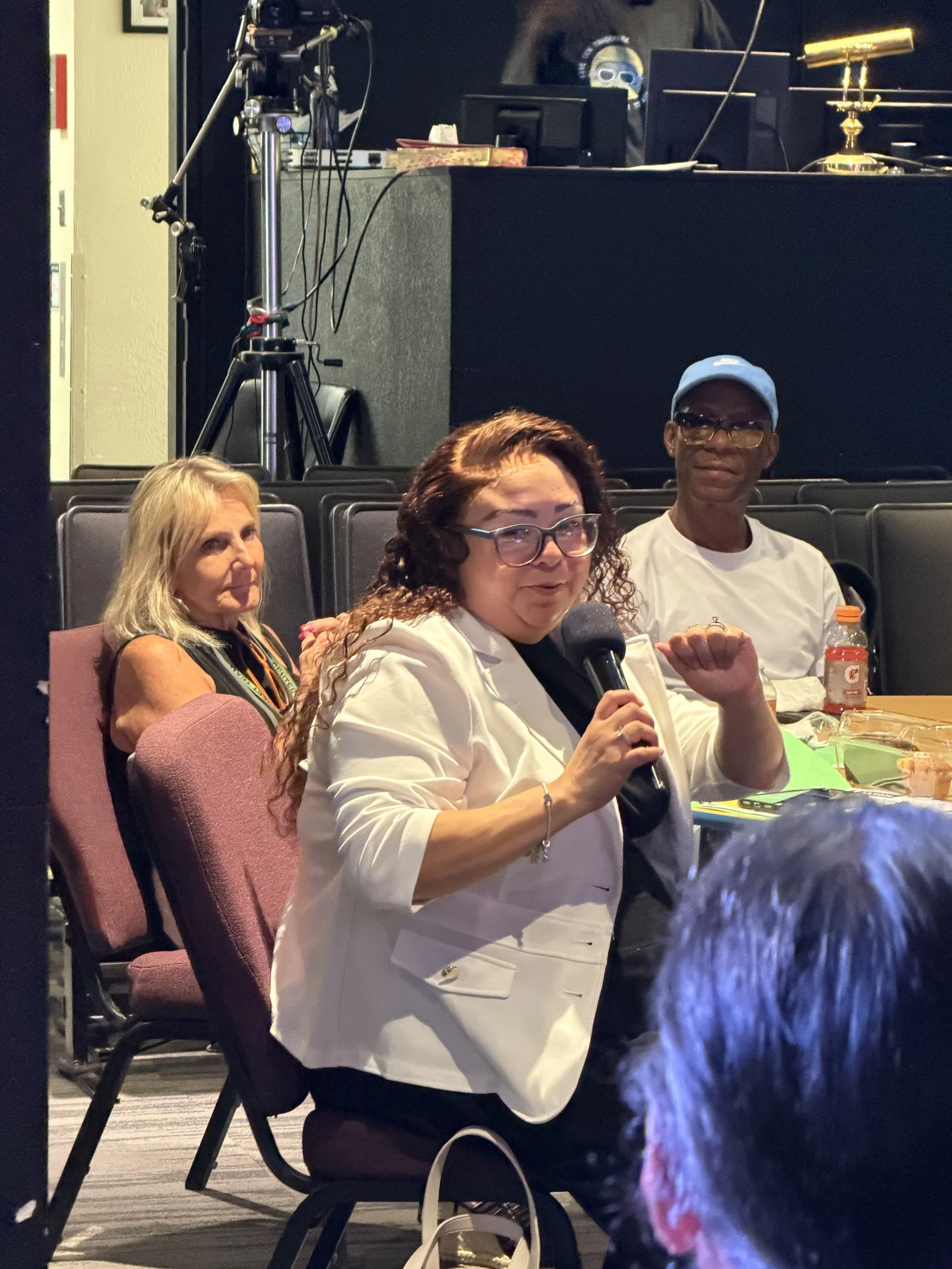
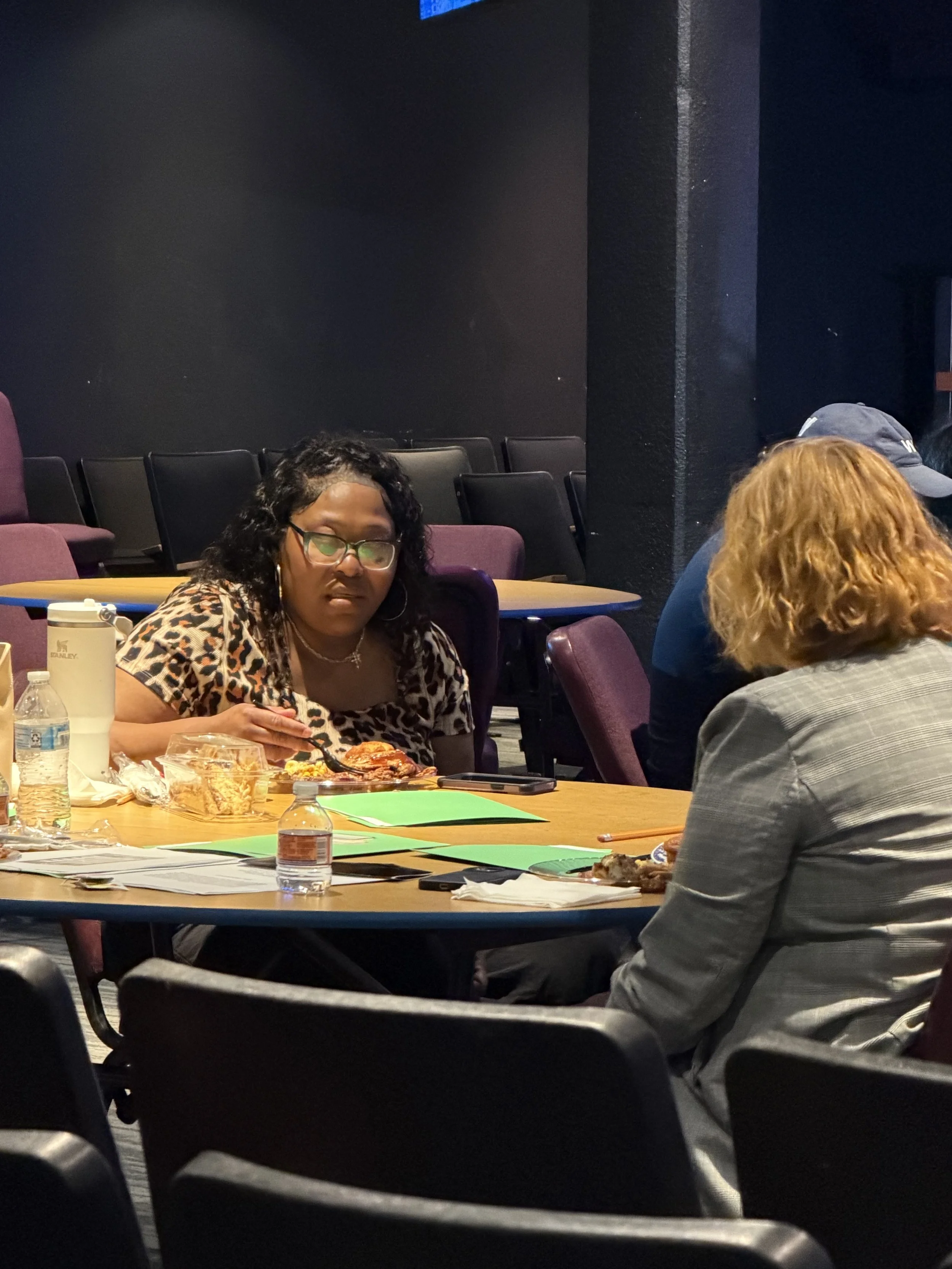
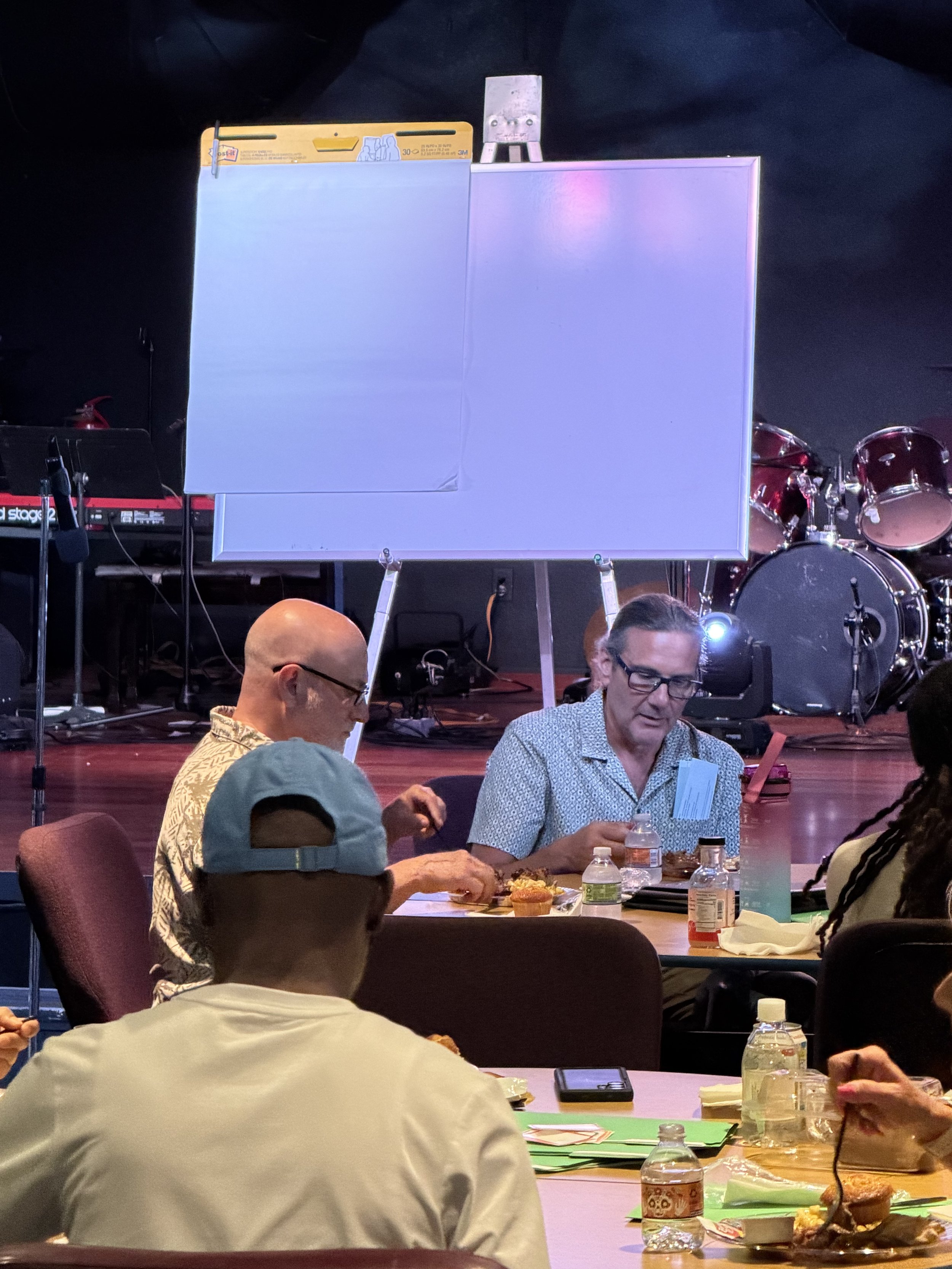
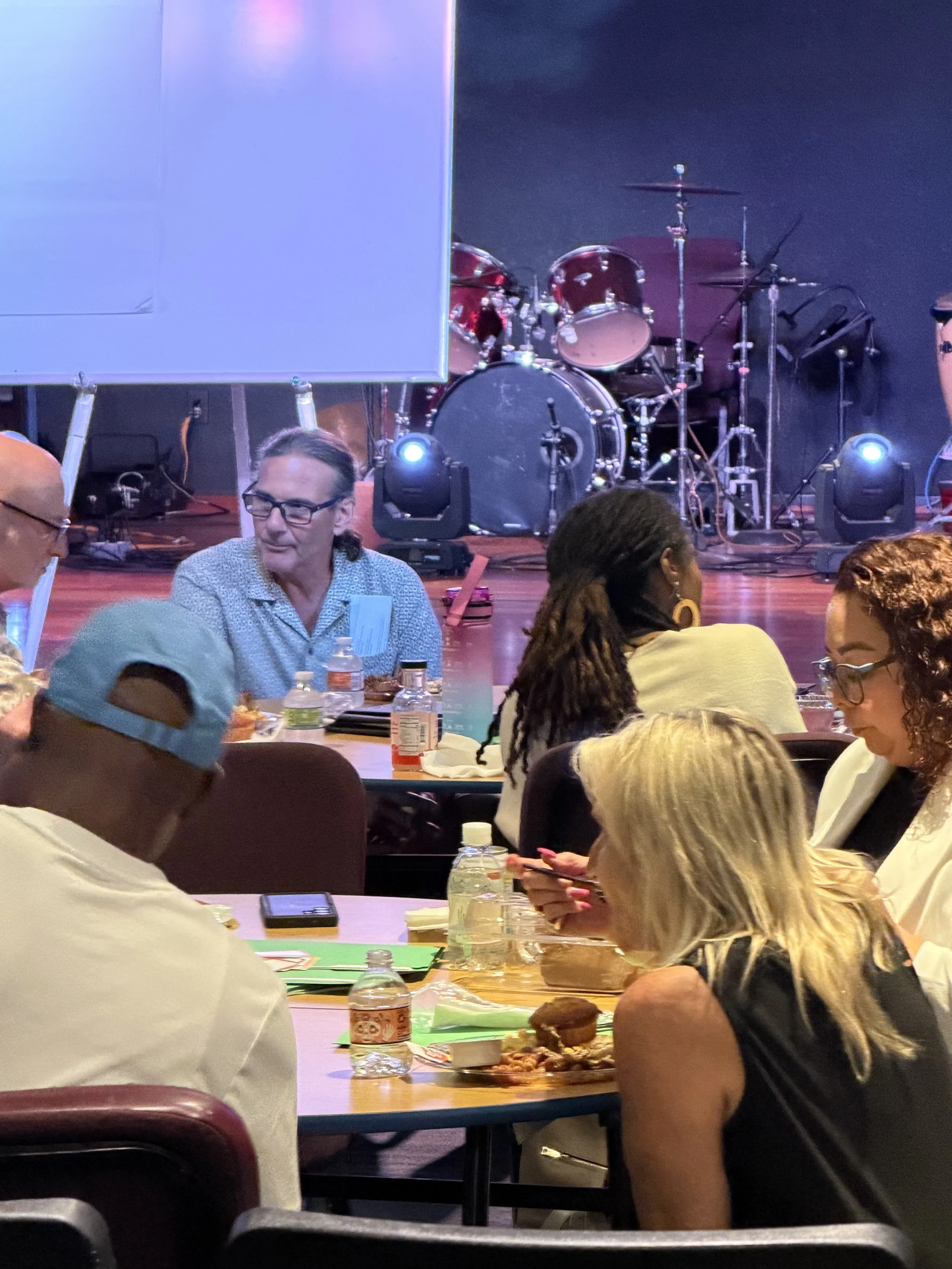
During a facilitated working lunch, participants moved from inspiration to imagination—sketching and documenting bold dreams for their neighborhoods and envisioning systems that prioritize restoration over extraction. These sessions allowed leaders to apply Studio teachings directly to their local context, grounding vision in real community needs.
Equipped for What’s Next
The WI+H Studio Minnesota was designed to deliver more than inspiration. Participants left equipped with tailored demographic insights, actionable planning tools, and a renewed sense of calling to launch or refine ventures that bring lasting change.
The WI+H Studio Minnesota concluded with a shared resolve to seek the peace of the city and the confidence that when God’s people pursue shalom where they are planted, communities begin to experience the heart of God in tangible ways.
About WI+H
WI+H is a national movement that helps churches, entrepreneurs and faith leaders launch businesses that restore neighborhoods and create environments where both faith and people flourish. By empowering local leaders to launch ventures like grocery stores, laundromats, and health centers, WI+H helps leaders create pathways for sustainable growth that uplifts entire communities.